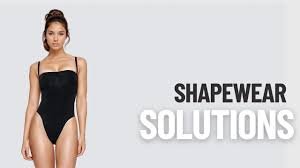
What Shapewear Is (and Isn’t)
Shapewear is a family of undergarments built from elastic, supportive fabrics (think nylon, spandex/elastane, lycra) that gently compress targeted areas so clothing drapes more smoothly. Done well, it refines—not erases—your natural shape: softening lines, supporting posture, and helping certain outfits look cleaner.
It isn’t a substitute for health choices, and it’s not meant to be uncomfortably tight. If you can’t breathe easily, sit comfortably, or move naturally, the fit or compression is wrong. The best shapewear feels like a confident whisper, not a shout.
Benefits Sensible Limits
Why people reach for it
- Smoother lines under clothes. Reduces panty lines, seam ridges, and minor bulges so fabrics glide.
- Refined contours. Light waist definition, gentle thigh/hip smoothing, subtle lift at bust or seat.
- Posture support. Certain panels can encourage a taller, more open stance.
- Outfit confidence. Formalwear, body-skimming knits, or special events often feel easier with a bit of structure.
Sensible limits
- Comfort > compression. Overly tight pieces can restrict breathing or circulation.
- Short sessions for firm styles. High-compression garments are for specific looks and shorter wear windows.
- No long-term “reshaping.” Shapewear offers temporary contouring only.
Types of Shapewear
- Control briefs / shaping panties: Tummy-focused smoothing; everyday friendly.
- High-waist shorts: Tummy + hip + upper thigh smoothing; excellent under dresses/skirts.
- Bodysuits (with brief, thong, or shorts base): One-and-done upper/lower alignment; great under fitted dresses.
- Camisoles & tanks: Torso smoothing; can lift/shape bust with the right construction.
- Waist cinchers / corset-style belts: Focused waist definition; choose breathable, flexible designs.
- Thigh shapers & leggings: Thigh and leg smoothing; leggings add full lower-body line.
- Slips / half-slips: Dress-friendly glide layer from bust or waist to thigh.
- Arm shapers: Sleeve layers that smooth upper arms for certain silhouettes.
- Butt lifters: Strategically placed panels to lift and contour the seat.
- Specialty pieces: Low-back or plunge fronts for tricky necklines; maternity and post-surgical garments with medical-grade features.
Compression Levels Explained
- Light (everyday): A gentle “smoothing” effect. Best for T-shirts, knits, and long workdays.
- Medium (noticeable shaping): Useful for bodycon dresses, suits, and occasions when you want a more sculpted line.
- Firm (maximum shaping): Event dressing and specific silhouettes. Expect a snug feel—wear for shorter durations.
Pro tip: If you’re between sizes, do not size down for “extra sculpting.” Compression comes from fabric engineering, not forcing a smaller size.
How to Choose the Right Piece
Start with your outfit.
The garment should solve for the clothes you’re wearing: a low-back gown, a clingy knit dress, high-waist trousers, etc.
Identify your target areas.
Tummy smoothing? Thigh line? Back bulge near a bra? Seat lift? Choose the silhouette that directly addresses the goal.
Pick a compression level.
Everyday smoothing vs. strong, event-level shaping. If new to shapewear, start light/medium.
Fit by measurements, not guesswork.
Use a tape measure for bust, waist, hip and follow the brand’s size chart. A correct fit is comfortable and secure.
Choose fabrics wisely.
Look for breathable, moisture-wicking blends. Seamless knitting and bonded edges help eliminate lines. Cotton gussets improve comfort.
Consider construction details.
- Waistbands that lay flat without rolling.
- Leg openings with bonded edges or grippers to prevent riding.
- Straps that adjust and distribute weight.
- Closures (if any) should lie smooth, not dig.
Color match.
Nude tones close to your skin under light fabrics; black or fashion colors under dark clothing.
Match Shapewear to Your Body Type Goals
No one fits perfectly in a single box, and bodies change over time. Use these as friendly starting points, then personalize.
Apple Oval more fullness through midsection
- Great picks: High-waist briefs or shorts for tummy smoothing; bodysuits with strong mid-paneling.
- Why: They stabilize the waistline and create a balanced torso line without constriction at the ribcage.
Pear Triangle smaller upper body, fuller hips thighs seat
- Great picks: Shaping shorts or high-waist shorts; thigh shapers; slip shapers for dresses.
- Why: Focus on hip/thigh smoothing and seat shaping while keeping the waist comfortable.
Hourglass defined waist bust hips in balance
- Great picks: Waist-accenting cinchers (flexible), shaping shorts for seamless lower body; bodysuits for all-over polish.
- Why: Preserve the waist while smoothing transitions under fitted styles.
Top Hourglass Inverted Triangle Diamond broader shoulders or bust
- Great picks: Shaping camisoles or bodysuits that smooth the torso and support the bust; high-waist shorts if hips are straighter.
- Why: Balances upper and lower halves, creating clean lines through the midsection.
Bottom Hourglass Bell Hourglass fuller lower body defined waist
- Great picks: Shorts/leggings with hip and thigh support; thong-back bodysuits if you want to preserve seat curves.
- Why: Smooth the lower body while letting natural curves read clearly.
Rectangle Straight Lean Column similar bus waist hip minimal waist definition
- Great picks Medium-compression shorts or leggings to add a curvier line; waist-focused camis or cinchers with stretch.
- Why: Suggest gentle waist definition and roundness through seat/hips.
Athletic muscular build sometimes straighter hips
- Great picks Shaping shorts/leggings to add fluidity under knits; flexible waist cinchers for definition.
- Why Softens transitions without hiding strength.
Petite shorter stature smaller frame
- Great picks: Short-inseam or petite-proportioned shorts; thong-back bodysuits to avoid visible leg openings.
- Why: Proportions matter—avoid long shorts that cut the leg visually.
Tall longer frame limbs
- Great picks: Extended-rise bodysuits or high-waist pieces that truly reach the waist; long-line shorts that don’t “float.”
- Why: Adequate vertical coverage prevents rolling and keeps panels where they belong.
Plus Size fuller frame in multiple zones
- Great picks Well-graded full-body suits; high-waist shorts with wide, stable waistbands; supportive camis.
- Why Even, comfortable compression with great fabric recovery is key.
Long Torso
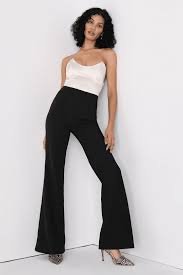
- Great picks Bodysuits designed for long torsos; separate cami + shorts combos if bodysuits ride.
- WhyPrevents shoulder strain and rolling from a too-short rise.
Short Legs
- Great picks Higher-cut leg openings or mid-thigh shorts to visually lengthen leg line.
- Why Keeps proportions elongated under dresses/skirts.
Spoon Teardrop Cello curvy variants with emphasis in hips thigh bust
- Great picks: Shorts/leggings with targeted hip/thigh zones; bodysuits with tummy control and flexible bust shaping.
- Why: Maintain curves you love while smoothing along garment lines.
Pregnant Postpartum
- Great picks: Maternity supports, belly bands, and gentle postpartum compression (doctor-approved).
- Why: Comfort, support, and breathability come first; avoid rigid styles during recovery.
How to Put It On Without a Wrestling Match
- Start with clean, dry skin. Skip heavy lotions where elastic needs to grip.
- Step in, don’t yank down. Most pieces are engineered to be stepped into—even camis and bodysuits.
- Roll, don’t tug. Roll the garment up the legs/torso; pause to smooth as you go.
- Set seams & panels. Align any tummy or back panels where you need them most.
- Adjust openings. Check leg openings and waistbands for flat, even contact—no twisting.
- Finish with a mirror check. Smooth any wrinkles; confirm no lines show at fabric junctions.
What Works Under What
- Bodycon knit dress: Medium-to-firm bodysuit or high-waist shorts + cami.
- Sheath dress / tailored suiting: Bodysuit for upper-back smoothing; high-waist shorts to avoid VPL.
- Low-back or plunge gowns: Specialty low-back bodysuit or adhesive solutions paired with high-waist shorts.
- High-waist trousers: High-waist brief or shorts to keep the waistband sleek.
- Slip skirts / bias cuts: Half-slip shapewear or lightweight shorts to prevent cling.
- Everyday denim & tees: Light-compression briefs or a smoothing cami—comfort first.
Comfort Care Longevity
Make comfort non-negotiable. You should breathe, bend, and sit without distraction. If not, change size, style, or compression.
Care tips
- Hand wash or gentle cycle in a lingerie bag; air dry to protect elasticity.
- Rotate pieces so fibers recover between wears.
- Inspect edges (bonded hems, grippers) and retire pieces once they curl, roll, or lose return.
Potential discomfort signals
- Numbness/tingling, shortness of breath, or pinching: remove immediately and refit.
- Rolling waistbands or hems: often a length/torso mismatch or the fabric fighting with lotion or slippery hosiery. Try a different rise or fabric.
Postpartum Post Surgical Notes
- Postpartum: Gentle, breathable support can feel great as tissues settle. Prioritize comfort and rest; consult your clinician before using firmer compression—especially after C-section.
- Post-surgical (e.g., lipo/BBL/abdominoplasty): Use only doctor-directed garments with medical-grade compression, closure placement, and wear schedules tailored to your procedure. Healing comes first; aesthetics follow.
Smart Shopping Checklist
- I know which outfit(s) I’m buying this for.
- I’ve measured bust, waist, hips and checked the brand’s size chart.
- I’ve chosen a compression level that matches comfort + occasion.
- The rise/torso length matches my proportions (petite/regular/tall/long-torso).
- Fabric is breathable; edges are bonded or seamless; gusset is comfortable.
- I selected color suited to my wardrobe (skin-tone nude, black, etc.).
- I have a care plan (wash bag, air dry).
- I’m starting with one test wear at home before a big event.
FAQs
Does shapewear actually “move fat” or make you lose weight?
No. It temporarily redistributes soft tissue within the garment’s boundaries so clothes lay smoother. It doesn’t burn fat.
How long can I wear firm pieces?
Think occasion wear—a few hours. For daily routines, lighten up the compression.
Why does my waistband roll?
Common causes: torso length mismatch, sizing down, or slippery surfaces (lotions/hosiery). Try a different rise, fabric, or silicone-free edge.
Can I wear shapewear while pregnant?
Use maternity-specific supports designed to lift and cradle without compressing the abdomen. When in doubt, ask your clinician.
What’s best for visible panty line (VPL)?
Bonded-edge briefs, thong-back bodysuits, or high-waist shorts with seamless hems.
Do I need multiple pieces?
Often yes: one everyday light smoother and one occasion-ready piece handle most wardrobes.
Table of Contents
Conclusion: Confidence First, Always
Types of Shapewear—A Quick Tour
Match Shapewear to Your Body Type & Goals
How to Put It On (Without a Wrestling Match)
Outfit Playbook: What Works Under What
Postpartum & Post-Surgical Notes
Conclusion
Shapewear isn’t about hiding your body; it’s a toolkit for polishing how fabrics sit so your clothes match the mood you’re going for—easy Monday, sharp boardroom, or celebratory sparkle. Start with your outfit and comfort needs, choose the minimal silhouette that solves the specific styling challenge, and fit by measurement (never by wishful thinking). For many, the sweet spot is light to medium compression in breathable fabrics with clean, bonded edges.