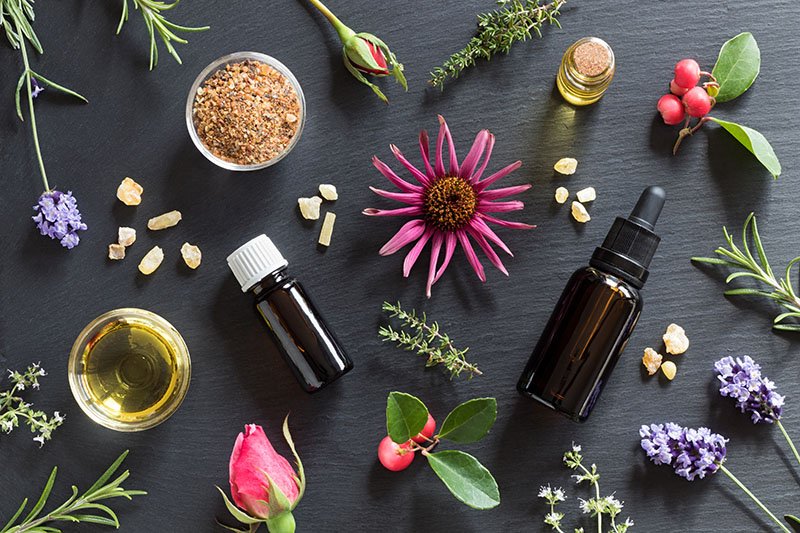
The Ultimate Guide to Natural Skincare: Everything You Need to Know
When it comes to skincare, more and more people are saying goodbye to harsh chemicals and hello to natural ingredients—and for good reason. Natural skincare isn’t just a trend; it’s a lifestyle that focuses on nourishing your skin with clean, gentle, and eco-friendly products. Whether you’re just starting out or looking to revamp your routine, this guide will walk you through everything you need to know about building a natural skincare routine that works.
This movement isn’t just a passing phase—it’s a complete lifestyle transformation. Natural skincare is all about getting back to basics, simplifying your routine, and choosing ingredients that are as close to nature as possible. Think plant-based oils, soothing herbs, cold-pressed botanicals, and gentle minerals that actually work with your skin, not against it.
But why now? What’s fueling this growing obsession with clean, natural products?
It comes down to awareness and empowerment. Consumers today are smarter, more informed, and more curious about what goes into their products. They’re reading labels, questioning long lists of unpronounceable ingredients, and prioritizing health and wellness in every aspect of their lives—including their skincare.

And let’s face it—your skin is your body’s largest organ. It absorbs a significant portion of what you apply to it, so it makes sense to treat it with the same care you’d give to your diet or your mental health. That’s where natural skincare really shines: it’s about nourishing your skin from the outside in, using ingredients that are safe, effective, and sustainable.
Whether you’re brand new to the world of natural skincare or you’ve already swapped out a few products and want to take it a step further, this guide has you covered. We’ll walk you through everything you need to know to create a clean, customized skincare routine that suits your skin type, your goals, and your lifestyle.
From the best natural ingredients to look for, to tips on transitioning away from synthetic products, and even a few simple DIY recipes—you’ll learn how to make the switch with confidence and intention.
Because in the end, natural skincare isn’t about perfection—it’s about choosing better, simpler, and more skin-loving alternatives that help you feel good inside and out.
Why Choose Natural Skincare?

Let’s start with the basics—why go natural in the first place?
- Gentle on Skin: Natural products are less likely to cause irritation, redness, or breakouts because they don’t contain harsh synthetics or artificial fragrances.
- Better for Long-Term Health: Many conventional products contain parabens, sulfates, and phthalates that may disrupt hormones or harm your health over time.
- Environmentally Friendly: Natural skincare typically uses biodegradable ingredients and recyclable or sustainable packaging.
- Rich in Nutrients: Plants, oils, and natural extracts are packed with antioxidants, vitamins, and minerals that actually benefit your skin.
Understanding Your Skin Type First
Before you jump into natural products, you need to understand what your skin actually needs.
- Oily Skin: Produces excess sebum; prone to acne and shine.
- Dry Skin: Feels tight, flaky, or rough; lacks moisture.
- Combination Skin: Oily in some areas (usually T-zone), dry or normal elsewhere.
- Sensitive Skin: Easily irritated by products, weather, or environmental factors.
- Normal Skin: Balanced—not too oily or dry.
Knowing your skin type helps you choose the right natural ingredients and formulas.
Core Steps of a Natural Skincare Routine
A good skincare routine doesn’t have to be 10 steps long. Even with natural products, less is often more—as long as you’re consistent.
1. Cleanser (Morning + Night)
Your skin collects dirt, oil, and pollution throughout the day. Cleanse it gently but thoroughly.
Natural ingredients to look for:
- Aloe vera – soothes and hydrates
- Honey – antibacterial and healing
- Castile soap – gentle, plant-based cleanser
- Chamomile or calendula – calm irritation
Pro Tip: Avoid foaming cleansers with sodium lauryl sulfate (SLS)—even if they’re labeled “natural.”
2. Toner (Optional but Helpful)
Toners help balance your skin’s pH, tighten pores, and prep your skin to absorb moisturizer.
Natural toning ingredients include:
- Witch hazel – reduces oil and inflammation
- Rose water – hydrates and refreshes
- Green tea – antioxidant-rich and calming
- Apple cider vinegar (diluted!) – balances pH
3. Serum (Targeted Treatment)

Serums are potent and packed with active ingredients—perfect for tackling specific concerns.
Try these natural serum stars:
- Vitamin C – brightens skin and fades dark spots
- Hyaluronic acid (plant-based) – deeply hydrates
- Niacinamide – evens tone and reduces redness
- Bakuchiol – the natural alternative to retinol
4. Moisturizer (Always!)
Even oily skin needs hydration—skipping this step can backfire.
Natural moisturizing powerhouses:
- Shea butter – rich and healing
- Jojoba oil – mimics your skin’s natural oils
- Squalane (plant-derived) – lightweight but effective
- Rosehip oil – rejuvenates and reduces fine lines
5. SPF (Daytime Must-Have)
Yes, there’s natural sunscreen—and it’s non-negotiable. UV rays can cause premature aging and skin cancer, even on cloudy days.
Look for:
- Mineral sunscreens with zinc oxide or titanium dioxide
- SPF 30 or higher
- Non-nano particles to avoid environmental harm
Avoid: Chemical sunscreens like oxybenzone and avobenzone, which can irritate skin and disrupt hormones.
6. Exfoliate (1–2 Times/Week)
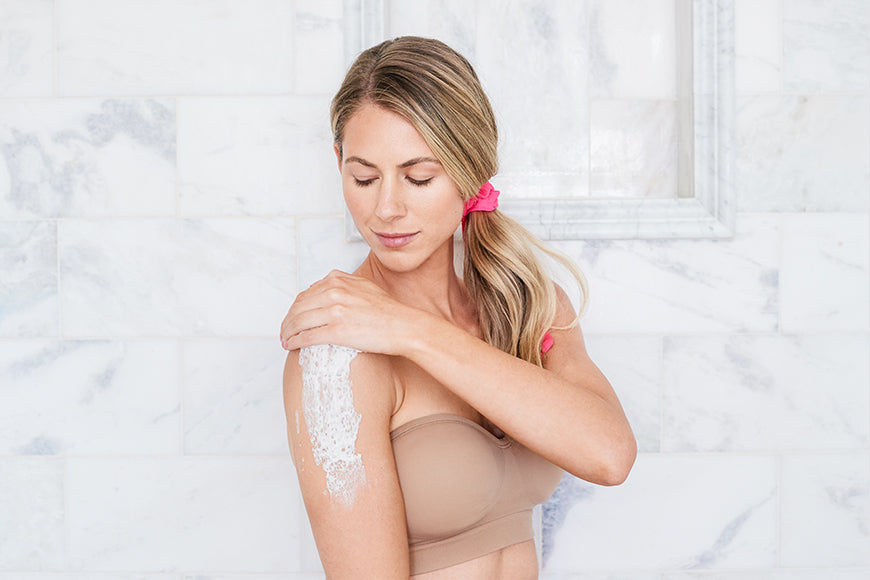
Natural exfoliants help remove dead skin and reveal a fresh glow—just don’t overdo it.
Natural exfoliating options:
- Ground oats – gentle and soothing
- Brown sugar or coffee grounds – great for body exfoliation
- Fruit enzymes (papaya, pineapple) – for sensitive skin
- Clay masks (kaolin, bentonite) – detox and tighten
7. Masks & Treatments (As Needed)
Face masks are a great way to give your skin an extra boost of nourishment.
Natural mask ingredients to try:
- Manuka honey – antibacterial and healing
- Turmeric – brightens and reduces inflammation
- Avocado – rich in fatty acids
- Yogurt – gently exfoliates with lactic acid
Common Natural Ingredients to Know (and Love)
Here are some must-know natural ingredients that deliver real results:
- Aloe Vera: Soothes, heals, and hydrates
- Tea Tree Oil: Antibacterial and acne-fighting
- Rosehip Oil: Anti-aging and scar-reducing
- Green Tea Extract: Antioxidant and anti-inflammatory
- Lavender: Calms redness and irritation
- Coconut Oil: Moisturizing (great for body, not ideal for acne-prone facial skin)
Ingredients to Avoid (Even in “Natural” Products)
Not all “natural” products are created equal. Some ingredients, though natural-sounding, may be irritating or harmful.
Avoid these:
- Synthetic fragrances – can trigger allergies and breakouts
- Essential oils in high amounts – can cause irritation or sensitivity
- Alcohols (like denatured alcohol) – drying
- Phenoxyethanol or parabens – synthetic preservatives
Always check the ingredient label, even if the front says “natural” or “organic.”
How to Transition to Natural Skincare
Switching over doesn’t have to be overwhelming. Here’s how to do it step by step:
- Start Slow – Begin by swapping one product at a time.
- Patch Test First – Natural doesn’t mean non-irritating for everyone.
- Read Labels – Learn what’s actually inside your products.
- Be Patient – Natural products may take longer to show results—but they’re worth it.
- Listen to Your Skin – No routine is one-size-fits-all.
DIY Natural Skincare Recipes (Simple & Effective)
Want to try making your own? Here are a few beginner-friendly recipes:
Hydrating Honey Mask
- 1 tbsp raw honey
- 1 tsp aloe vera gel
- Mix and apply for 10–15 minutes before rinsing.
Soothing Oatmeal Cleanser
- 2 tbsp ground oats
- 1 tbsp yogurt
- Gentle cleanse in circular motions, then rinse.
Brightening Turmeric Spot Treatment
- 1/2 tsp turmeric
- 1 tsp yogurt or honey
- Apply to dark spots or acne scars for 10 minutes.
Table of Contents
FAQs About Natural Skincare
Q: Are natural products better than synthetic ones?
A: Not always. “Natural” doesn’t automatically mean better, but natural products tend to be gentler, especially for sensitive skin. It’s all about how your skin reacts.
Q: Can I mix natural and conventional skincare?
A: Absolutely. Many people blend both. If a conventional product works for you, there’s no need to toss it—just aim for balance.
Q: How long does it take to see results with natural skincare?
A: Typically, 4–6 weeks. Your skin needs time to adjust. Be consistent, and don’t expect overnight miracles.
Q: Is DIY skincare safe?
A: Mostly yes, if you’re using clean tools, fresh ingredients, and avoiding known irritants (like lemon juice or undiluted essential oils). Always do a patch test first.
Q: What’s the best natural oil for oily/acne-prone skin?
A: Jojoba oil and grapeseed oil are non-comedogenic (won’t clog pores) and can actually help balance oil production.
Final Thoughts: Is Natural Skincare Worth It?
Yes—100%. Going natural with your skincare isn’t just about what you put on your face—it’s about how you treat your body and the planet. With the right ingredients, a little consistency, and some patience, natural skincare can give you real, long-term results without the risk of harmful chemicals.
Whether you’re switching to natural for ethical reasons, sensitive skin, or just curiosity, the key is to keep it simple, know your ingredients, and listen to your skin. Nature has a lot to offer—and your glow is waiting.